
Description
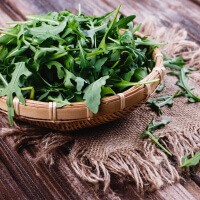
Arugula is a leafy green vegetable most often eaten in salads. It is known for a spicy taste and is part of the cabbage family. It can be eaten raw or cooked. The cost of arugula is only slightly more than lettuce and can help to enhance the flavor of your salad significantly.

How to Do It
The most popular way to eat arugula is raw - mixed into salads. Other methods include partially cooked and used as toppings for - soups, pastas, sandwiches or pizza. Supermarkets generally carry Arugula year round and can usually be found at local farmers’ markets.

Benefits
- May help fight cancer cells
- Can help with neural tube defects in pregnancy
- Good for strong bones, tooth health, as well as muscle and nerve function
- Improves eye health
- Aids healing
- Supports immune function

Why it works
- High in Vitamins A, C, and K
- High in the minerals calcium, potassium, and folate
- High in antioxidants
- Improves blood clotting

Suggested Frequency
Several times per week - when vegetables are consumed

Side Effects
- Gastric upset/flatulence from overconsumption
- Be sure to wash your Arugula thoroughly before consumption
Required Equipment
Fresh supply of Arugula.
Eat raw or mixed with other foods.
Gurus/Celebrities/Doing it
Robert Downey Jr
Freddie Prince Jr
Tracee Ellis Ross
Related Products
Eat Berries , Eat Asparagus, Eat Broccoli, Eat Garlic, Eat Artichokes, Eat Cauliflower

Suggested Time of Day
At mealtime when vegetables would be consumed.

Notes
- Avoid if on blood thinning medication or have a clotting disorder
- Part of the Cruciferous family, which also includes vegetables such as broccoli, kale, and cauliflower
- Arugula can be used instead of basil to make pesto
- Contains low levels of Oxalates - absorption of vitamins and minerals in Arugula may be better than other leafy greens such as spinach!