
Description
Alpha-lipoic acid (ALA) is a compound that is naturally present in the mitochondria. Remember that the mitochondria are the power plants that make energy at the cellular level. Inside the mitochondria, ALA helps enzymes turn nutrients into energy, by serving as a cofactor for enzymes that participate in the production of ATP. ATP is our cells’ energy currency.
ALA is typically a mixture of R-ALA (natural, biologically active form) and S-ALA (manufactured form), but some products contain only R-ALA. Typical dosages in dietary supplements range from 50 to 600 mg ALA.

Possible Benefits
- Reduce inflammation and skin aging
- Promote healthy nerve function
- Decrease fatigue
- Lower heart disease risk factors
- Slow the progression of memory loss disorders

Required Equipment
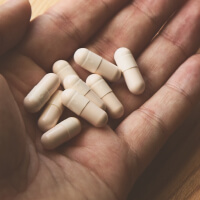
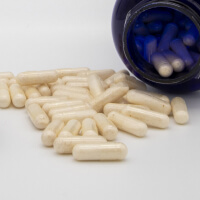
Alpha-lipoic acid

How to Do It
Though there is no set dosage, most evidence suggests that 300–600 mg is sufficient and safe. Alternatively, you can follow the instructions on the back of the supplement bottle.
Why it works
- ALA is made within the mitochondria, which are the energy powerhouses of the cells. ALA is crucial for digestion, absorption, and the creation of energy. It helps enzymes turn nutrients into energy. It also has antioxidant properties.

Time Commitment
2-5 minutes

Suggested Frequency
5-6 times per week
Time of Day
Morning

Possible Side Effects
People may experience mild symptoms, such as nausea, rashes, or itching

Tips
- Take on an empty stomach
Supporting Studies and Articles
Expand Collapse- Packer L, Cadenas E. Lipoic acid: energy metabolism and redox regulation of transcription and cell signaling. J Clin Biochem Nutr. 2011;48(1):26-32. doi:10.3164/jcbn.11-005FR
- Golbidi S, Badran M, Laher I. Diabetes and alpha lipoic Acid. Front Pharmacol. 2011;2:69. Published 2011 Nov 17. doi:10.3389/fphar.2011.00069
- Anna Gorąca, Halina Huk-Kolega, Aleksandra Piechota, Paulina Kleniewska, Elżbieta Ciejka, Beata Skibska: Lipoic acid – biological activity and therapeutic potential, Pharmacological Reports, Volume 63, Issue 4, 2011, Pages 849-858, ISSN 1734-1140,
- https://doi.org/10.1016/S1734-1140(11)70600-4.
- https://www.sciencedirect.com/science/article/pii/S1734114011706004