Description
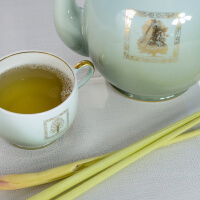
Chamomile is a herb that’s been used for centuries due to its various medical properties. It contains antioxidants that could help lower the risk of cancers and heart diseases. In addition, many enjoy chamomile tea for relaxation and to help them fall asleep.

Time Commitment
10 minutes

Suggested Frequency
2-3 times per week
Time of Day
Anytime

How to Do It
- Heat water
- Once boiled, add chamomile flowers to the heated water in a teapot.
- Let it steep for 5 minutes.
- Strain the tea from the pot.
- You may also add honey, citrus, vanilla, or berries for added flavor.
- Enjoy!

Required Equipment
- Teapot
- Dried chamomile flowers or teabag
- Hot water

Benefits
- May reduces stomach acidity
- May prevent cancers
- Improves cardiovascular health
- May help control blood sugar levels
- May reduce anxiety and depression symptoms
- May improve sleep quality
Why it works
- Chamomile herb contains antioxidant apigenin, which helps fight cancer cells.
- The anti-inflammatory properties of chamomile help prevent damage to the pancreas resulting in decreased blood sugar levels.
- Chamomile herb also has flavones, which help reduce cholesterol levels.

Possible Side Effects
People with severe allergies to pollen and chamomile products should avoid drinking chamomile tea.

Tips
Chamomile has a mild taste, so you may want to add natural flavorings such as honey, citrus fruits, or berries to your tea.
Supporting Studies and Articles
1. Assessment of some Herbal Drugs for Prophylaxis of Peptic Ulcer
2. Apigenin: A Promising Molecule for Cancer Prevention
3. Effectiveness of chamomile tea on glycemic control and serum lipid profile in patients with type 2 diabetes
4. Efficacy and safety of herbal stimulants and sedatives in sleep disorders
2. Apigenin: A Promising Molecule for Cancer Prevention
3. Effectiveness of chamomile tea on glycemic control and serum lipid profile in patients with type 2 diabetes
4. Efficacy and safety of herbal stimulants and sedatives in sleep disorders