
Description
Vitamin E is crucial for different body functions and has an antioxidant effect. It is best obtained from foods such as hazelnuts, almonds, sunflower seeds, some cereals, and green vegetables such as spinach.

Possible Benefits
- May improve cardiovascular health
- May protect from free radicals
- May improve the immune system
- May help to treat liver disease
- May slow down aging

Required Equipment
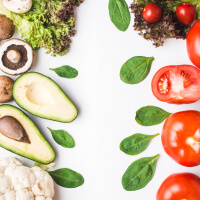
Foods high in vitamin E

How to Do It
Most people get enough vitamin E from their diet, so using a supplement is usually not recommended.
Make sure to add foods like these to your diet:
- Hazelnuts
- Almonds
- Sunflower seeds
- Green vegetables (spinach, artichoke, broccoli, arugula)
- Vitamin E-rich cereals
If you have questions about vitamin E in your diet, consult a professional.
Why it works
- Vitamin E is crucial for the formation of red blood cells and preventing blood clots from forming.
- This vitamin is involved in the expression of some genes in the immune system.
- It also helps improve the immune response by enhancing T-cell activity. These cells are essential for fighting infections.
- People with non-alcoholic fatty liver may benefit from this vitamin.

Time Commitment
5-10 minutes

Suggested Frequency
Daily
Time of Day
Any

Possible Side Effects
When consumed in the form of medication:
Nausea, upset stomach, headache, and fatigue.

Tips
- Very few people need to take vitamin E supplements.
- According to the National Institutes of Health (NIH), an average adult should consume 15mg of this vitamin each day.
- Be sure to vary the foods that contain vitamin E to get it from different sources.
- Exceeding the recommended intake may increase the risk of bleeding.
Supporting Studies and Articles
Expand Collapse- The Role of Vitamin E in Immunity. https://www.ncbi.nlm.nih.gov/pmc/articles/PMC6266234/
- Vitamin E. Fact Sheet for Consumers. https://ods.od.nih.gov/factsheets/VitaminE-Consumer/
- The Role of Vitamin E in Human Health and Some Diseases. https://www.ncbi.nlm.nih.gov/pmc/articles/PMC3997530/
- Evidence for beneficial effects of vitamin E. https://www.ncbi.nlm.nih.gov/pmc/articles/PMC4578028/
- Vitamin E Deficiency. https://www.ncbi.nlm.nih.gov/books/NBK519051/
- Vitamin E. https://ods.od.nih.gov/factsheets/VitaminE-HealthProfessional/