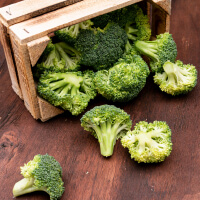

Description
By implementing this habit, the goal is to increase the quality of your diet and decrease the consumption of calories that do not provide nutrients to the body.

Possible Benefits
- May improve the overall health
- May improve cholesterol levels
- May promote fitness
- May improve skin appearance
- May improve sleep
- May enhance digestion
- May help you lose weight

How to Do It
Choose one day a week to avoid snacks, or replace them with healthy ones.
We recommend you to take note of the snacks you usually consume, especially those with a high content of saturated fat and trans sugar. This way you will be able to avoid them more easily.

Why it works
- Saturated and trans fats generate a higher risk of cardiovascular diseases since they increase the level of cholesterol.
- Excess fat and sugar often lead to unhealthy weight gain.
- Saturated and trans fats are often difficult to digest. Reducing them can improve the digestive process.

Time Commitment
1 day

Suggested Frequency
At least once per week
The more frequent, the better
Time of Day
Any

Possible Side Effects
None known

Tips
- Look for healthy snack ideas, many of which include fruits and vegetables
- Pay attention to changes in your digestion and general health
- Start with one day per week, and increase gradually
- Increase the size of the portions of your regular meals
Supporting Studies and Articles
Expand Collapse- Trans fat is double trouble for your heart health. https://www.mayoclinic.org/diseases-conditions/high-blood-cholesterol/in-depth/trans-fat/art-20046114
- What Is a Snack, Why Do We Snack, and How Can We Choose Better Snacks? A Review of the Definitions of Snacking, Motivations to Snack, Contributions to Dietary Intake, and Recommendations for Improvement. https://pubmed.ncbi.nlm.nih.gov/27184274/
- Snack Food, Satiety, and Weight. https://academic.oup.com/advances/article/7/5/866/4616721
- Snacking Recommendations Worldwide: A Scoping Review. https://www.ncbi.nlm.nih.gov/pmc/articles/PMC5962965/
- Snacking in nutrition and health. https://pubmed.ncbi.nlm.nih.gov/30969153/