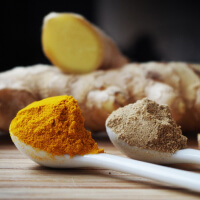

Description
Ginger is an asian spice in the same family as turmeric, cardamom, and galangal. It’s used to soothe stomachs, improve blood flow, decrease arthritis pain, and alleviate morning sickness. Its key bioactive ingredient is gingerol.

How to Do It
Ginger can be eaten whole, in a powdered form, as a supplement, in a tea, or as a spice in your food. A large number of recipes exist online which utilize ginger. Find recipes you like and include them as part of a well balanced diet. The recommended daily dose of ginger is between 1 and 2g when powdered or 10g of fresh ginger root.

Benefits
- Reduce nausea including morning sickness [1], [2]
- Reduce muscle pain following exercise [3]
- Reduce joint pain [4]
- Lower blood sugars [5]
- Improve heart health [6]
- Treat chronic indigestion [7]
- Reduce menstrual pain [8]
- Improve brain function and reduce age-related decline [9]
- Fights infections and tumors [10]
- Prevents ulcers

Why it works
Gingerol increases the permeability of bacterial membranes, allowing antibiotics to have a much more powerful effect.
Gingerol decreases fasting blood glucose levels, increases the liver’s natural antioxidant enzymes, relieves nausea and vomiting, lowers cholesterol and triglycerides, stimulates mucus production in the stomach, decreases inflammation responses, and may suppress tumor growth.

Suggested Frequency
Daily

Supporting Studies and Articles

Posible Side Effects
- Allergies
- Increase in bleeding
- Decrease in glucose levels in diabetics
- Drop in blood pressure
- Irregular heart beats
- Interferes with antihypertensive therapy
- Upset Stomach
- Skin or eye irritation
Gurus/Celebrities/ Doing it
Selena Gomez
Kendall Jenner
Notes
- Ginger tea is a delicious way to consume ginger
- Take ginger with or immediately after a meal to aid with digestion